Three women. Three families. Three very different struggles. And behind each seemingly ordinary life lies a secret capable of changing everything.
Namra has everything people would assume a young woman could want: wealth, education, a respected family, and a future that appears carefully protected. Yet her heart belongs to Asim, a young man her father considers unworthy of her. When her family begins pushing her toward powerful men she does not love, Namra finds herself trapped between obedience to her parents and the man she has secretly loved for years.
Kalsoom has a different battle. She has worked hard, built a respectable life, remained devoted to her faith, and watched almost everyone around her get married while her own prayers seem unanswered. As relatives and friends search for explanations and solutions, her frustration slowly becomes a battle between patience, desperation, and trust in Allah.
Then there is Doctor Hilal, a married man living in a home where love exists, but time is always missing. His wife is ambitious and deeply committed to her career, while Hilal struggles to balance fatherhood, marriage, and the expectations of his family. What happens when two people love each other but begin to feel like strangers inside the same home?
And surrounding them all are secrets, family expectations, hidden desires, complicated marriages, social pressure, and choices that refuse to remain private.
Summary
Namra's story begins with a painful conflict between love and family loyalty. She has secretly loved Asim since university, and their relationship has survived for years despite the differences between their backgrounds. Asim is not wealthy or powerful, while Namra comes from a prominent family whose influence and financial standing have grown even greater because of her father's political ambitions. Her father refuses to accept Asim and instead begins considering other men for his daughter. For Namra, the problem is not simply choosing between two men. She must decide how much of herself she can sacrifice without betraying the parents she loves.
Her situation becomes even more complicated when Alhaji Madu Sanusi expresses interest in marrying her because he wants an educated woman who can fit the image required by his political ambitions. Namra is devastated, but before she can even recover from that pressure, another unexpected proposal enters the picture. Uzair, a respected member of the extended family and Yasmin's husband, announces that he wants to marry Namra. What should have been a simple family proposal quickly becomes dangerous because Namra knows a secret about Uzair that could destroy his reputation and possibly damage the lives of everyone connected to him.
Kalsoom's struggle is quieter but no less painful. She has reached the stage of life where marriage has become the subject of constant conversation around her. Her younger relatives and friends are getting married while she continues to wait. Despite her efforts to remain faithful, pray, give charity, and protect herself from wrongdoing, she feels as though the one thing she desperately wants continues to remain beyond her reach. Her family tries different ways to help her, including taking her to people believed to have solutions for delayed marriage, but Kalsoom gradually becomes exhausted by the endless search. Her journey raises a difficult question about how a person holds onto faith when the answer to a heartfelt prayer seems to take too long.
Her experiences also expose another side of marriage. When Kalsoom visits her married sister Zainab during an illness, she finds herself doing much of the household work and observing problems within her sister's marriage. Kalsoom speaks honestly about what she sees, but her words are not welcomed. Instead, she is reminded that she has never been married herself and therefore cannot fully understand the sacrifices and compromises required in married life. The disagreement leaves Kalsoom questioning not only marriage itself, but also whether the lives she envies from a distance are truly as perfect as they appear.
Meanwhile, Doctor Hilal's marriage presents another complicated picture. He loves his wife, but her demanding banking career keeps her away from home for long hours. Hilal becomes responsible for much of the children's daily care, from preparing meals to taking them to school and helping with their homework. His mother openly criticizes his wife's priorities, while Hilal attempts to defend the woman he loves even though his own loneliness is becoming increasingly difficult to hide. Their marriage is not empty of affection, but affection alone cannot always solve the problems created by conflicting responsibilities.
As these three stories unfold, their worlds begin to reveal a common thread. Every family carries something behind closed doors. Love does not always lead to marriage. Marriage does not always guarantee peace. Wealth does not eliminate pressure. Religious devotion does not make waiting painless. And the person everyone trusts may be carrying a secret that could completely change how they are seen.
Genre and Setting
Zagon Ƙasa is a contemporary Hausa family drama built around romance, marriage, social expectations, secrets, faith, betrayal, and domestic conflict. The story combines romantic tension with serious family drama, creating multiple interconnected narratives rather than following only one central character.
The setting moves through wealthy family homes, university life, workplaces, hospitals, schools, Islamic learning environments, and ordinary family spaces. Much of the tension develops inside homes, where conversations between parents, children, husbands, wives, siblings, and friends reveal conflicts that outsiders would never see.
The story also reflects a distinctly Northern Nigerian Muslim social environment, particularly in its treatment of family authority, marriage expectations, religious education, reputation, and the influence of parents over their children's marital decisions.
Core Themes
Love Versus Family Loyalty
Namra's relationship with Asim places her directly between romantic love and filial responsibility. She loves him, yet she cannot bring herself to abandon the parents who raised her. Her struggle demonstrates how complicated love becomes when personal happiness appears to conflict with family expectations.
Marriage and Social Pressure
Kalsoom's story explores the emotional burden placed on women who remain unmarried while their peers move forward with their lives. The pressure does not come from one person alone. It comes from family conversations, comparisons, community expectations, and the woman's own fears about her future.
Secrets and Consequences
Secrets are at the heart of the novel. Namra discovers something about Uzair that places her in an extremely difficult position. Keeping quiet could allow someone she believes is dangerous to continue unchecked, while speaking could destroy relationships and expose her to retaliation.
Faith and Patience
Kalsoom's journey repeatedly returns to faith. Her frustration does not erase her belief in Allah, but it shows how difficult patience can become when someone has prayed for the same thing for years. Her story explores the difference between trusting divine timing and becoming overwhelmed by human expectations.
Marriage Versus Career
Doctor Hilal's household introduces the tension between professional ambition and family responsibilities. His wife's career gives her independence and purpose, but her absence creates responsibilities that Hilal increasingly carries alone. Their story asks whether love can remain strong when time, attention, and domestic responsibilities are unevenly distributed.
Reputation and Family Honour
The characters live in communities where reputation carries significant weight. A single accusation can travel through an extended family, alter relationships, and change how people perceive someone. In such an environment, truth can become dangerous when it threatens the image a family has carefully built.
Key Characters
Namra, also known as Khadija, is an educated young woman caught between the man she loves and the family she cannot imagine betraying. Her relationship with Asim has lasted for years, but her father's opposition puts her in an impossible position. She is emotional, deeply attached to her family, and increasingly desperate for a solution that will not force her to lose either side of her life.
Asim is Namra's longtime love. He comes from a much less privileged background and is struggling financially, but he insists that his feelings for Namra are not connected to her family's wealth. His greatest fear is that the woman he loves will eventually choose her family's wishes over him.
Uzair is a respected man within Namra's extended family and Yasmin's husband. Beneath the respectable image surrounding him is a secret that Namra accidentally discovers. His desire to marry Namra becomes one of the story's most dangerous developments because she believes his intentions are not innocent.
Yasmin is Uzair's wife and a close relative and confidante of Namra. She initially trusts both of them, unaware of the secret threatening her marriage. Her position becomes increasingly complicated when she begins to question what she has been told.
Kalsoom represents another side of the novel's exploration of womanhood and marriage. Educated and employed, she has watched friends and younger relatives marry while she continues to wait. Her desperation gradually turns into exhaustion, forcing her to reconsider the methods people use to explain her situation.
Doctor Hilal is a husband and father trying to keep his family functioning while his wife spends long hours pursuing her demanding career. He loves his wife but increasingly feels the weight of being left to handle responsibilities that should belong to both of them.
Hilal's wife is an ambitious bank manager whose professional responsibilities consume much of her time. Her career is strongly supported by her father, but her dedication to work creates tension in her marriage and leaves Hilal carrying more responsibility at home.
Analytics and Insight
What makes Zagon Ƙasa particularly intriguing is its three-family structure. Instead of presenting one problem and stretching it across an entire story, the novel introduces different characters experiencing completely different forms of emotional pressure.
Namra's storyline carries the strongest suspense because her knowledge about Uzair creates a dangerous secret. She is not merely deciding whom she wants to marry. She is holding information that could destroy another person's reputation and marriage.
Kalsoom's storyline provides a more introspective perspective. Her greatest opponent is not a particular person but the growing frustration created by waiting. Her experiences also challenge the assumption that marriage automatically solves a woman's problems.
Hilal's storyline shifts the focus toward an existing marriage. Rather than asking whether two people will fall in love, it examines what happens after love has already led to marriage and real-life responsibilities begin competing for attention.
Together, these stories create a broader picture of relationships. The novel repeatedly contrasts what people see from the outside with what characters experience privately. A wealthy family can still contain emotional pain. A married woman can still feel neglected. An unmarried woman can feel pressured and misunderstood. A respectable man can hide a secret. And a loving relationship can still be threatened by circumstances beyond the couple's control.
The title Zagon Ƙasa itself evokes the idea of hidden schemes, underlying tensions, and things developing beneath the surface. That idea fits the structure of the story, because many of its most important conflicts are not immediately visible. The deeper the characters move into their personal struggles, the more dangerous those hidden tensions become.
A Thought From the Story
“Love can bring two hearts together, but when family, reputation, secrets, and expectations stand between them, even the strongest love can be forced to prove what it is truly worth.”
Why Readers May Find It Compelling
Zagon Ƙasa is not simply a romance about choosing a husband. It is a story about what happens when love collides with family authority, when marriage becomes a source of pressure rather than comfort, and when secrets are placed in the hands of people who never asked to carry them.
Namra's choice could determine the direction of several lives. Kalsoom's waiting could test the limits of her patience and faith. Hilal's marriage could reveal how easily love becomes strained when responsibility is not equally shared. Around them, family members continue making decisions, keeping secrets, giving advice, and expecting obedience.
The real suspense lies in what happens when those private struggles can no longer remain private.
For readers who enjoy Hausa family dramas filled with romance, emotional conflict, complicated marriages, secrets, and unexpected turns, Zagon Ƙasa offers a journey where every family has another story beneath the one everyone knows.







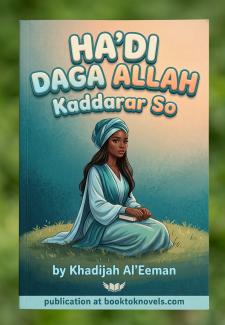
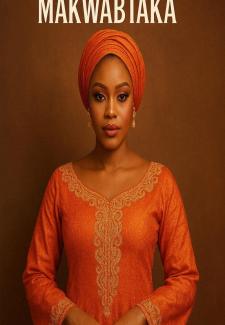


ZAGON ƘASA
Hook
Three women. Three families. Three very different struggles. And behind each seemingly ordinary life lies a secret capable of changing everything.
Namra has everything people would assume a young woman could want: wealth, education, a respected family, and a future that appears carefully protected. Yet her heart belongs to Asim, a young man her father considers unworthy of her. When her family begins pushing her toward powerful men she does not love, Namra finds herself trapped between obedience to her parents and the man she has secretly loved for years.
Kalsoom has a different battle. She has worked hard, built a respectable life, remained devoted to her faith, and watched almost everyone around her get married while her own prayers seem unanswered. As relatives and friends search for explanations and solutions, her frustration slowly becomes a battle between patience, desperation, and trust in Allah.
Then there is Doctor Hilal, a married man living in a home where love exists, but time is always missing. His wife is ambitious and deeply committed to her career, while Hilal struggles to balance fatherhood, marriage, and the expectations of his family. What happens when two people love each other but begin to feel like strangers inside the same home?
And surrounding them all are secrets, family expectations, hidden desires, complicated marriages, social pressure, and choices that refuse to remain private.
Summary
Namra's story begins with a painful conflict between love and family loyalty. She has secretly loved Asim since university, and their relationship has survived for years despite the differences between their backgrounds. Asim is not wealthy or powerful, while Namra comes from a prominent family whose influence and financial standing have grown even greater because of her father's political ambitions. Her father refuses to accept Asim and instead begins considering other men for his daughter. For Namra, the problem is not simply choosing between two men. She must decide how much of herself she can sacrifice without betraying the parents she loves.
Her situation becomes even more complicated when Alhaji Madu Sanusi expresses interest in marrying her because he wants an educated woman who can fit the image required by his political ambitions. Namra is devastated, but before she can even recover from that pressure, another unexpected proposal enters the picture. Uzair, a respected member of the extended family and Yasmin's husband, announces that he wants to marry Namra. What should have been a simple family proposal quickly becomes dangerous because Namra knows a secret about Uzair that could destroy his reputation and possibly damage the lives of everyone connected to him.
Kalsoom's struggle is quieter but no less painful. She has reached the stage of life where marriage has become the subject of constant conversation around her. Her younger relatives and friends are getting married while she continues to wait. Despite her efforts to remain faithful, pray, give charity, and protect herself from wrongdoing, she feels as though the one thing she desperately wants continues to remain beyond her reach. Her family tries different ways to help her, including taking her to people believed to have solutions for delayed marriage, but Kalsoom gradually becomes exhausted by the endless search. Her journey raises a difficult question about how a person holds onto faith when the answer to a heartfelt prayer seems to take too long.
Her experiences also expose another side of marriage. When Kalsoom visits her married sister Zainab during an illness, she finds herself doing much of the household work and observing problems within her sister's marriage. Kalsoom speaks honestly about what she sees, but her words are not welcomed. Instead, she is reminded that she has never been married herself and therefore cannot fully understand the sacrifices and compromises required in married life. The disagreement leaves Kalsoom questioning not only marriage itself, but also whether the lives she envies from a distance are truly as perfect as they appear.
Meanwhile, Doctor Hilal's marriage presents another complicated picture. He loves his wife, but her demanding banking career keeps her away from home for long hours. Hilal becomes responsible for much of the children's daily care, from preparing meals to taking them to school and helping with their homework. His mother openly criticizes his wife's priorities, while Hilal attempts to defend the woman he loves even though his own loneliness is becoming increasingly difficult to hide. Their marriage is not empty of affection, but affection alone cannot always solve the problems created by conflicting responsibilities.
As these three stories unfold, their worlds begin to reveal a common thread. Every family carries something behind closed doors. Love does not always lead to marriage. Marriage does not always guarantee peace. Wealth does not eliminate pressure. Religious devotion does not make waiting painless. And the person everyone trusts may be carrying a secret that could completely change how they are seen.
Genre and Setting
Zagon Ƙasa is a contemporary Hausa family drama built around romance, marriage, social expectations, secrets, faith, betrayal, and domestic conflict. The story combines romantic tension with serious family drama, creating multiple interconnected narratives rather than following only one central character.
The setting moves through wealthy family homes, university life, workplaces, hospitals, schools, Islamic learning environments, and ordinary family spaces. Much of the tension develops inside homes, where conversations between parents, children, husbands, wives, siblings, and friends reveal conflicts that outsiders would never see.
The story also reflects a distinctly Northern Nigerian Muslim social environment, particularly in its treatment of family authority, marriage expectations, religious education, reputation, and the influence of parents over their children's marital decisions.
Core Themes
Love Versus Family Loyalty
Namra's relationship with Asim places her directly between romantic love and filial responsibility. She loves him, yet she cannot bring herself to abandon the parents who raised her. Her struggle demonstrates how complicated love becomes when personal happiness appears to conflict with family expectations.
Marriage and Social Pressure
Kalsoom's story explores the emotional burden placed on women who remain unmarried while their peers move forward with their lives. The pressure does not come from one person alone. It comes from family conversations, comparisons, community expectations, and the woman's own fears about her future.
Secrets and Consequences
Secrets are at the heart of the novel. Namra discovers something about Uzair that places her in an extremely difficult position. Keeping quiet could allow someone she believes is dangerous to continue unchecked, while speaking could destroy relationships and expose her to retaliation.
Faith and Patience
Kalsoom's journey repeatedly returns to faith. Her frustration does not erase her belief in Allah, but it shows how difficult patience can become when someone has prayed for the same thing for years. Her story explores the difference between trusting divine timing and becoming overwhelmed by human expectations.
Marriage Versus Career
Doctor Hilal's household introduces the tension between professional ambition and family responsibilities. His wife's career gives her independence and purpose, but her absence creates responsibilities that Hilal increasingly carries alone. Their story asks whether love can remain strong when time, attention, and domestic responsibilities are unevenly distributed.
Reputation and Family Honour
The characters live in communities where reputation carries significant weight. A single accusation can travel through an extended family, alter relationships, and change how people perceive someone. In such an environment, truth can become dangerous when it threatens the image a family has carefully built.
Key Characters
Namra, also known as Khadija, is an educated young woman caught between the man she loves and the family she cannot imagine betraying. Her relationship with Asim has lasted for years, but her father's opposition puts her in an impossible position. She is emotional, deeply attached to her family, and increasingly desperate for a solution that will not force her to lose either side of her life.
Asim is Namra's longtime love. He comes from a much less privileged background and is struggling financially, but he insists that his feelings for Namra are not connected to her family's wealth. His greatest fear is that the woman he loves will eventually choose her family's wishes over him.
Uzair is a respected man within Namra's extended family and Yasmin's husband. Beneath the respectable image surrounding him is a secret that Namra accidentally discovers. His desire to marry Namra becomes one of the story's most dangerous developments because she believes his intentions are not innocent.
Yasmin is Uzair's wife and a close relative and confidante of Namra. She initially trusts both of them, unaware of the secret threatening her marriage. Her position becomes increasingly complicated when she begins to question what she has been told.
Kalsoom represents another side of the novel's exploration of womanhood and marriage. Educated and employed, she has watched friends and younger relatives marry while she continues to wait. Her desperation gradually turns into exhaustion, forcing her to reconsider the methods people use to explain her situation.
Doctor Hilal is a husband and father trying to keep his family functioning while his wife spends long hours pursuing her demanding career. He loves his wife but increasingly feels the weight of being left to handle responsibilities that should belong to both of them.
Hilal's wife is an ambitious bank manager whose professional responsibilities consume much of her time. Her career is strongly supported by her father, but her dedication to work creates tension in her marriage and leaves Hilal carrying more responsibility at home.
Analytics and Insight
What makes Zagon Ƙasa particularly intriguing is its three-family structure. Instead of presenting one problem and stretching it across an entire story, the novel introduces different characters experiencing completely different forms of emotional pressure.
Namra's storyline carries the strongest suspense because her knowledge about Uzair creates a dangerous secret. She is not merely deciding whom she wants to marry. She is holding information that could destroy another person's reputation and marriage.
Kalsoom's storyline provides a more introspective perspective. Her greatest opponent is not a particular person but the growing frustration created by waiting. Her experiences also challenge the assumption that marriage automatically solves a woman's problems.
Hilal's storyline shifts the focus toward an existing marriage. Rather than asking whether two people will fall in love, it examines what happens after love has already led to marriage and real-life responsibilities begin competing for attention.
Together, these stories create a broader picture of relationships. The novel repeatedly contrasts what people see from the outside with what characters experience privately. A wealthy family can still contain emotional pain. A married woman can still feel neglected. An unmarried woman can feel pressured and misunderstood. A respectable man can hide a secret. And a loving relationship can still be threatened by circumstances beyond the couple's control.
The title Zagon Ƙasa itself evokes the idea of hidden schemes, underlying tensions, and things developing beneath the surface. That idea fits the structure of the story, because many of its most important conflicts are not immediately visible. The deeper the characters move into their personal struggles, the more dangerous those hidden tensions become.
A Thought From the Story
Why Readers May Find It Compelling
Zagon Ƙasa is not simply a romance about choosing a husband. It is a story about what happens when love collides with family authority, when marriage becomes a source of pressure rather than comfort, and when secrets are placed in the hands of people who never asked to carry them.
Namra's choice could determine the direction of several lives. Kalsoom's waiting could test the limits of her patience and faith. Hilal's marriage could reveal how easily love becomes strained when responsibility is not equally shared. Around them, family members continue making decisions, keeping secrets, giving advice, and expecting obedience.
The real suspense lies in what happens when those private struggles can no longer remain private.
For readers who enjoy Hausa family dramas filled with romance, emotional conflict, complicated marriages, secrets, and unexpected turns, Zagon Ƙasa offers a journey where every family has another story beneath the one everyone knows.